



Nenthead and the Lead Mining Legacy: A Walk Through the North Pennines' Industrial Past
Nenthead sits high in the North Pennines, one of the highest villages in England, and on a grey day it can feel like the edge of the world. Yet this quiet place was once a bustling centre of industry, home to hundreds of lead miners and their families. Walking around Nenthead today is a lesson in how quickly a landscape can change, and how much of its history remains written on the ground.
The village was largely built by the London Lead Company in the eighteenth and nineteenth centuries, and its layout still reflects that planned origins. Rows of cottages, a school, a library and a Quaker meeting house were all provided for the workers, an unusual level of care for the time. The company's influence is everywhere, from the straight main street to the sturdy stone buildings that have weathered two centuries of Pennine weather.
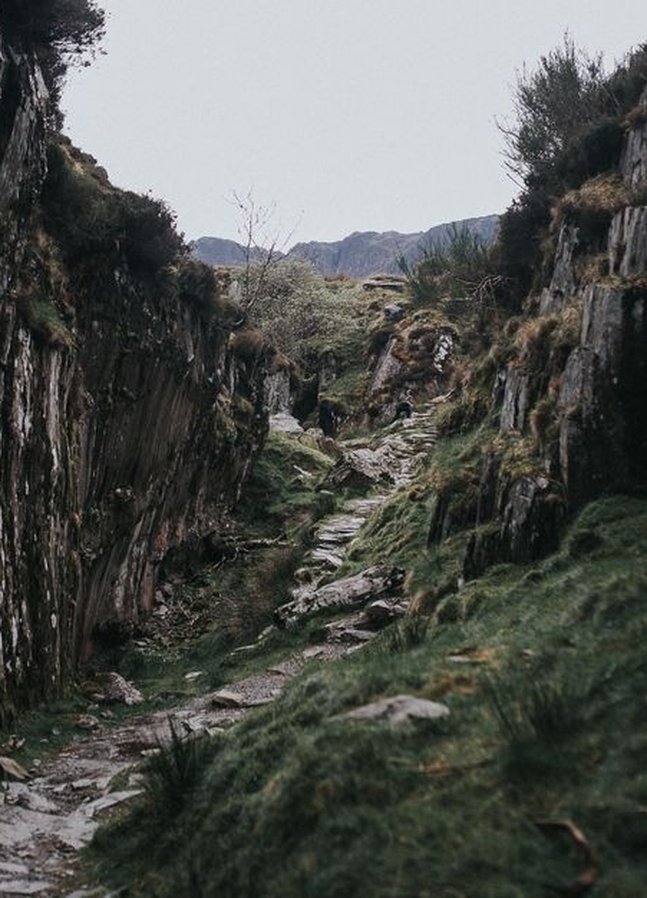
From the village, a network of paths leads up onto the fells, following the old tracks used by miners and packhorses. These tracks are often paved with stone, worn smooth by countless feet and cartwheels. Following them, you pass the remains of shafts, levels and hushes, the artificial gullies created by releasing torrents of water to expose lead veins. Some of these features are fenced off for safety, but many can be viewed from a respectful distance.
The Smelt Mill and Its Chimney
One of the most striking sights in the area is the long flue and chimney of the old smelt mill. Lead ore was processed here to extract the metal, and the flue carried toxic fumes away from the workings, depositing lead and silver along its length. The chimney itself, standing alone on the hillside, is a landmark visible for miles. It is a sobering reminder of the pollution that accompanied the industry, and of the damage done to the land and the health of those who worked it.
The miners' lives were hard and often short. Lead mining exposed workers to dust and fumes, and accidents were common. Yet the communities that grew up around these mines were close-knit, with their own chapels, bands and sports teams. Walking through the ruins today, it is worth pausing to imagine the noise and activity that once filled these now-silent valleys.
Walking Routes and Practicalities
A good circular walk from Nenthead takes in the smelt mill, the flue and a stretch of the old mineral railway, covering around six miles. The terrain is rough in places, with boggy patches after rain, so waterproof boots are essential. The area is remote and the weather can change quickly, so carry a map, compass and spare layers even on a fine day.
The North Pennines is designated an Area of Outstanding Natural Beauty, and for good reason. The combination of wild moorland, industrial archaeology and quiet villages makes it a rewarding place to walk. Nenthead itself has a small heritage centre, usually open in the warmer months, which explains the mining history in more detail. After your walk, a cup of tea in the village is a fine way to end the day.


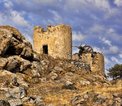


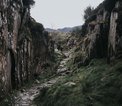
Exploring the abandoned lead mines, smelt mill chimneys and miners' tracks around Nenthead, one of England's highest villages.
A challenging but rewarding circuit over Cross Fell, the highest point in the Pennines, taking in the Eden Valley and the famous Helm Wind.
Tracing the old packhorse routes around Slack and Heptonstall, where inns once served travellers and their laden beasts.
Practical advice for walking the South Pennines in winter, from kit and navigation to understanding the risks of short days and sudden snow.
Britain's first national trail still delivers bog, beauty and a profound sense of space six decades after it opened.