


Walking in the Footsteps of the Pendle Witches
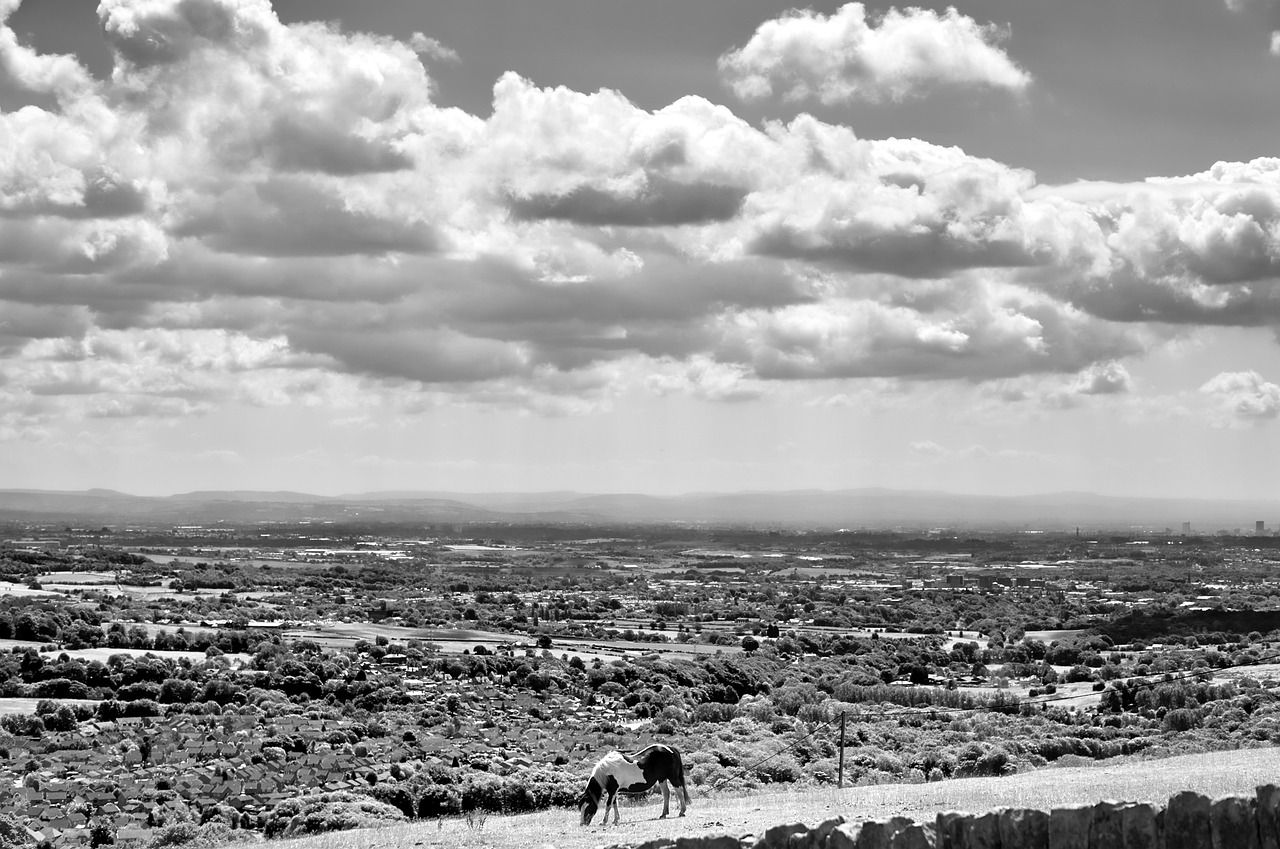
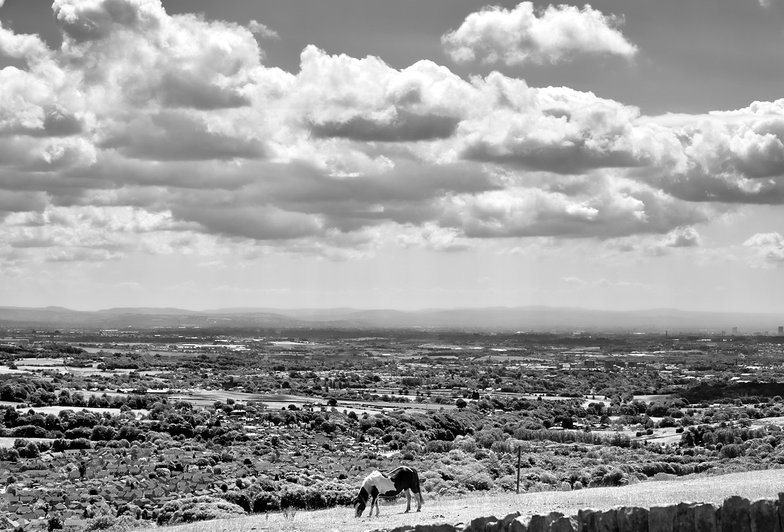
Pendle Hill rises out of the Lancashire countryside like a warning. From the summit, on a clear day, you can see the Ribble estuary, the Bowland fells, the Yorkshire Dales and the Irish Sea. But the hill is most famous for something that happened below it in 1612, when ten people from the villages around its slopes were hanged at Lancaster Castle for witchcraft.
The Pendle witch trials are among the best-documented in English history, thanks largely to the contemporary account written by Thomas Potts, the clerk of the court. The story involves accusations, family feuds, a supposed meeting at Malkin Tower, and a cast of characters whose names — Demdike, Chattox, Alice Nutter — have become part of local folklore. Walking the area today, you're walking through the landscape that shaped the story.
The Villages and the Hill
A good starting point is the village of Barley, at the foot of Pendle Hill, where a car park and visitor centre mark the beginning of several waymarked routes. From here, a well-trodden path climbs to the summit — a steady pull of around two miles that rewards you with one of the finest panoramas in the north of England.
The villages around the hill each have their associations. Newchurch-in-Pendle, with its distinctive church tower, is where many of the accused were buried or baptised. Roughlee is connected with Alice Nutter, the gentlewoman whose execution remains one of the most troubling episodes of the trials. Fence and Higham are linked with other families caught up in the accusations. A walk linking several of these villages makes a fine low-level day out when the hill is in cloud.
The landscape itself — the rough grazing, the stone walls, the scattered farms — has changed less than you might think. Walking the paths between the villages, you get a real sense of the small, close-knit communities in which the accusations took root, and of how quickly ordinary neighbourly disputes could turn deadly.
Walking the Route Responsibly
It's important to walk this landscape with respect. The witch trials were not a colourful folk tale; they were a tragedy in which real people, mostly poor and mostly women, were executed on the basis of dubious evidence and local grudges. Many of the people whose names appear in the story have living descendants in the area, and the local community has worked hard in recent years to present the history thoughtfully.
A sensible route for a first visit is a circular walk from Barley up Pendle Hill and back, taking in the summit and the views, and then a separate shorter walk around the villages. The Pendle Way, a forty-five-mile long-distance path, links much of the relevant landscape and can be walked in sections.
Come prepared for changeable weather — Pendle Hill is exposed and the paths can be muddy year-round. But come. The hill and its villages are a beautiful, complicated place, and walking them with an awareness of their history is one of the most rewarding experiences the Pennines can offer.



The story of the 1612 Pendle witch trials is woven into the moorland paths and villages of the Forest of Pendle.
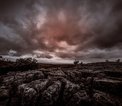
A walker's guide to the cracked and weathered limestone pavements above Malham, where geology and history meet on the clints and grykes.
Exploring the abandoned lead mines, smelt mill chimneys and miners' tracks around Nenthead, one of England's highest villages.
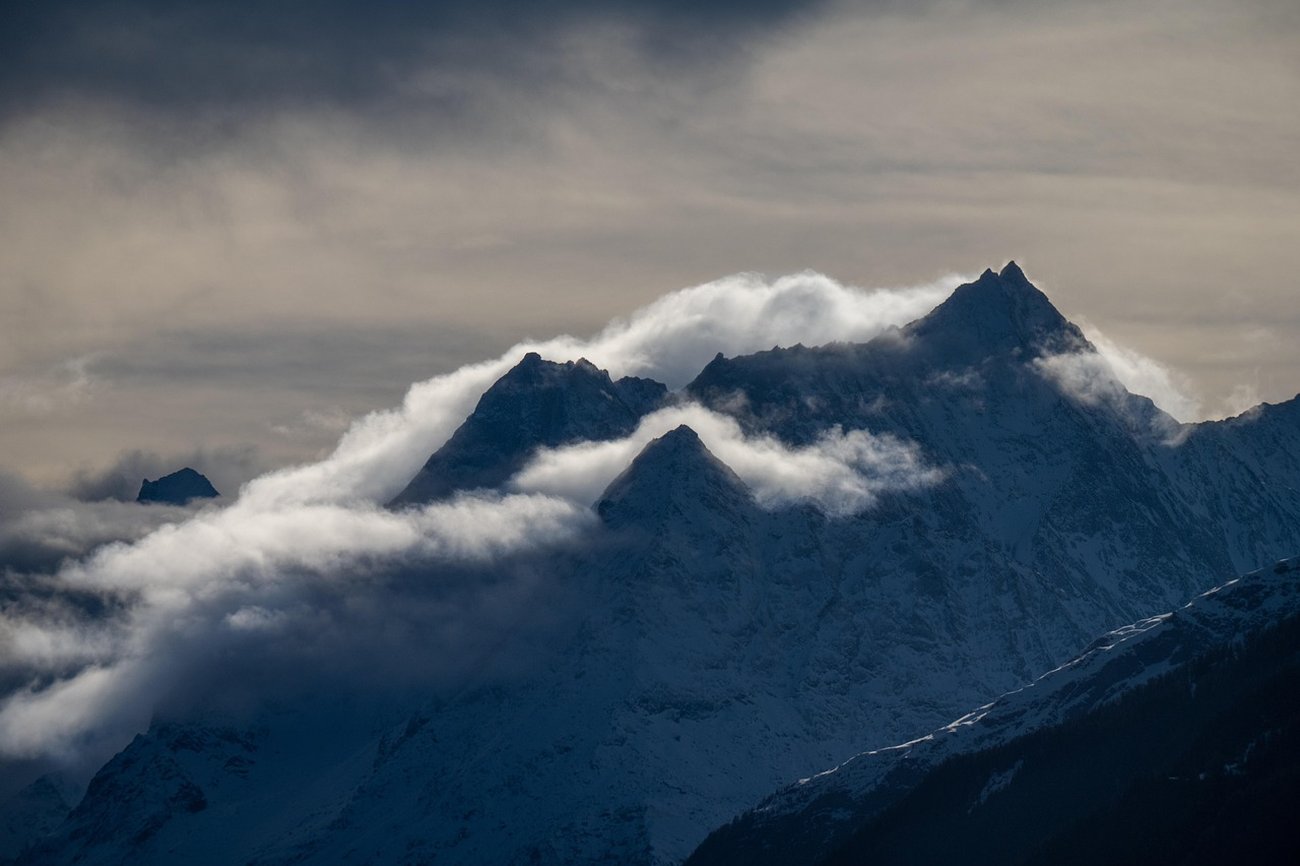
A challenging but rewarding circuit over Cross Fell, the highest point in the Pennines, taking in the Eden Valley and the famous Helm Wind.
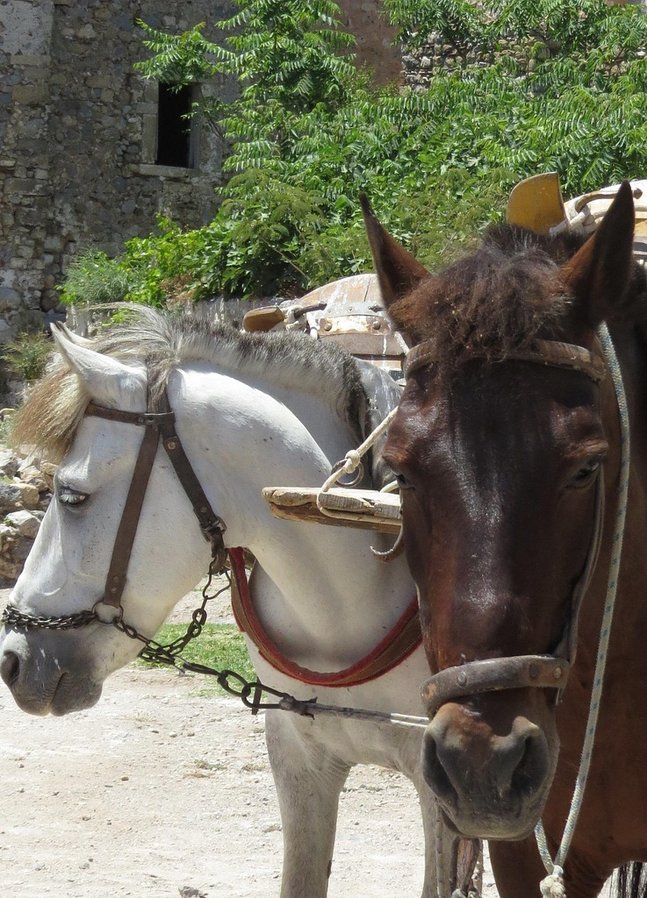
Tracing the old packhorse routes around Slack and Heptonstall, where inns once served travellers and their laden beasts.