



Winter Walking in the South Pennines: Staying Safe on the Moors When the Weather Turns
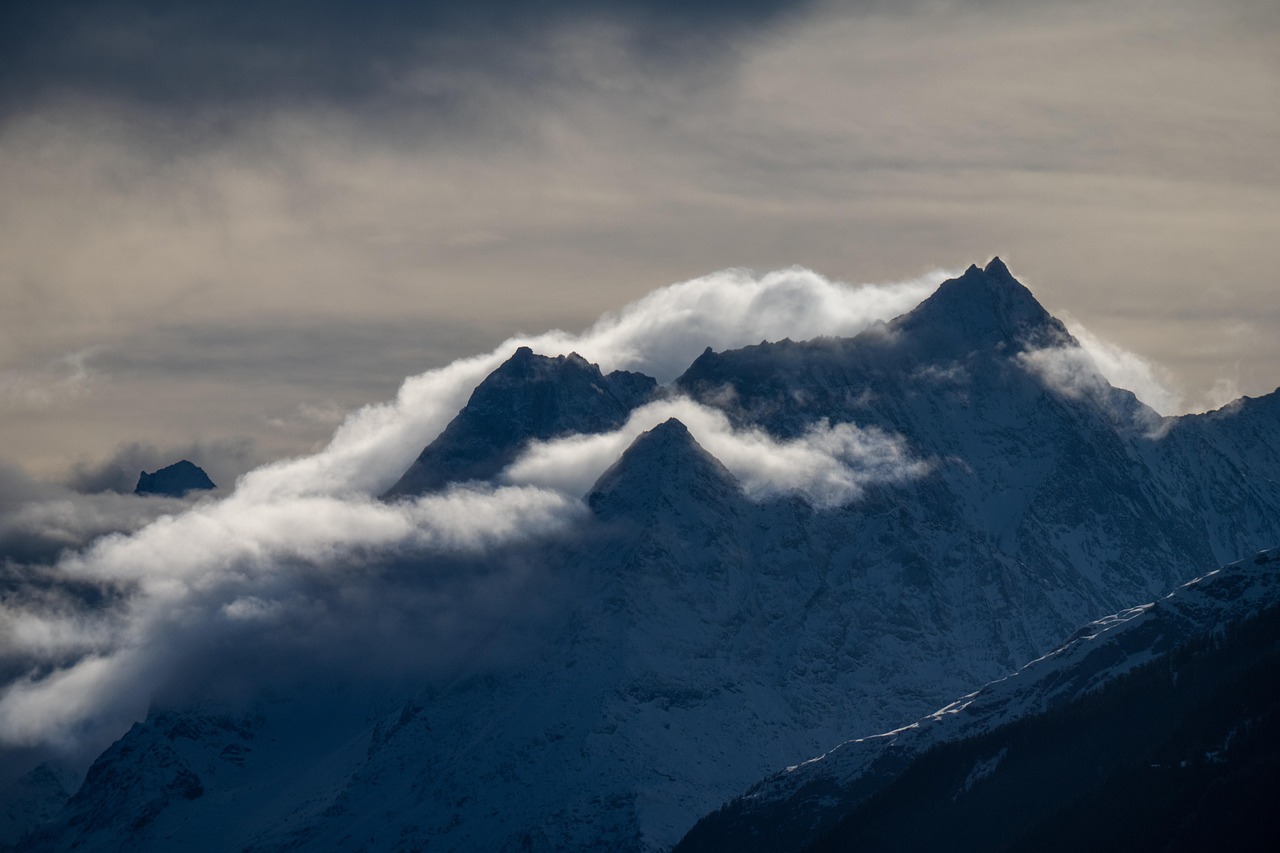
The South Pennines in winter are beautiful, but they are not to be taken lightly. The moors above Todmorden, Marsden and Haworth can be wild and disorienting when snow covers the paths, and the short days mean that a walk that would be easy in summer can become a serious undertaking. With the right preparation, though, winter walking here can be one of the most rewarding experiences the region offers.
The first thing to understand is that the South Pennines are not high mountains, but they are exposed. The combination of altitude, wind and wet ground means that conditions can be far worse than the valley forecast suggests. Snow can lie on the tops for weeks, and the peat bogs, which are difficult enough in summer, become treacherous when frozen or thawing. A path that is obvious in dry weather can disappear entirely under a layer of snow.
Start with your kit. Waterproof boots with good grip are essential, as are warm layers, a waterproof jacket and trousers, hat, gloves and spare gloves. A headtorch is not optional, even if you plan to be back before dark. The days are short, and a wrong turn or a slow pace can easily mean finishing in the dark. Carry a map and compass, and know how to use them. GPS is useful, but batteries fail in the cold, so do not rely on it alone.
Navigation and Route Choice
In winter, it is wise to choose routes that are well defined and not too remote. The paths around Hardcastle Crags, Stoodley Pike and the Calder Valley are popular and generally easy to follow, even in snow. Avoid the higher, pathless moors unless you are confident in your navigation and have the experience to deal with whatever the weather throws at you.
It is also worth checking the conditions before you set out. Local walking groups and websites often post reports of snow and ice, and the mountain weather forecasts cover the Pennines. If the forecast is for high winds or heavy snow, consider a lower-level walk instead. The valleys have their own charm in winter, and a walk along the canal or through the woods can be just as enjoyable as a moorland expedition.
Safety and Enjoyment
Tell someone where you are going and when you expect to be back. Carry a fully charged phone, but do not assume you will have signal. In an emergency, call 999 and ask for the police, who will coordinate mountain rescue. The volunteer teams of the South Pennines do outstanding work, but they would rather you did not need them.
Winter walking is not about conquering the landscape. It is about moving through it with care and attention, noticing the way the light changes, the patterns in the snow and the silence that falls over the moors. Take your time, keep warm, and enjoy the season. The South Pennines in winter are a different world, and one worth exploring if you are prepared.




Practical advice for walking the South Pennines in winter, from kit and navigation to understanding the risks of short days and sudden snow.
Britain's first national trail still delivers bog, beauty and a profound sense of space six decades after it opened.
Before the canals and railways, strings of laden ponies carried cloth, coal and salt across the Pennine watershed.
Pen-y-ghent, Whernside and Ingleborough in a day is a classic challenge — and a serious walk that rewards proper preparation.
The ruins and remnants scattered through the Upper Calder Valley tell the story of the textile trade that shaped the Pennines.