


The Packhorse Inn at Slack: A Walk Through Pennine Hospitality and History
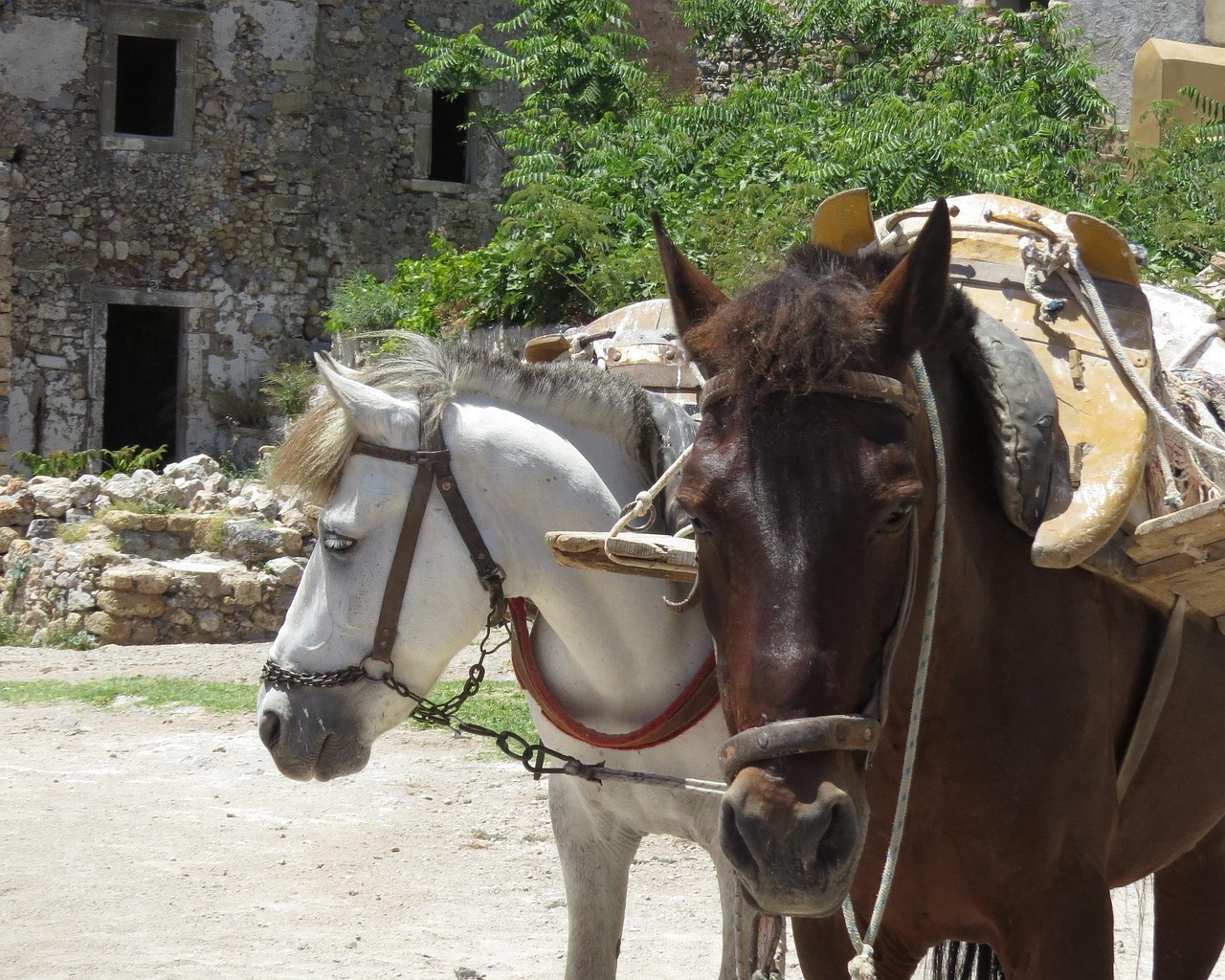
Before turnpike roads and railways, the Pennines were criss-crossed by packhorse trails, narrow paths along which strings of horses carried cloth, wool, salt and coal. These routes were the arteries of trade, and the inns that served them were vital stopping points. Walking around the villages of Slack and Heptonstall today, you can still trace these old ways and imagine the travellers who once used them.
The village of Slack, just outside Hebden Bridge, is a quiet place now, but it was once a busy stopping point on the packhorse route over the moors. The old inn, now a private house, still bears the name and the marks of its past life. Nearby, the packhorse track can be followed as it climbs up onto the moor, paved with stone setts in places and worn into holloways by centuries of use.
Heptonstall itself is a wonderfully atmospheric village, perched on a hill above Hebden Bridge. Its narrow streets, cobbled paths and ancient church make it a favourite with walkers. The churchyard contains the grave of Sylvia Plath, and the village has a literary and artistic history that stretches back centuries. But it is the everyday history of the place, the weavers' cottages and the packhorse tracks, that gives it its character.
Life on the Packhorse Routes
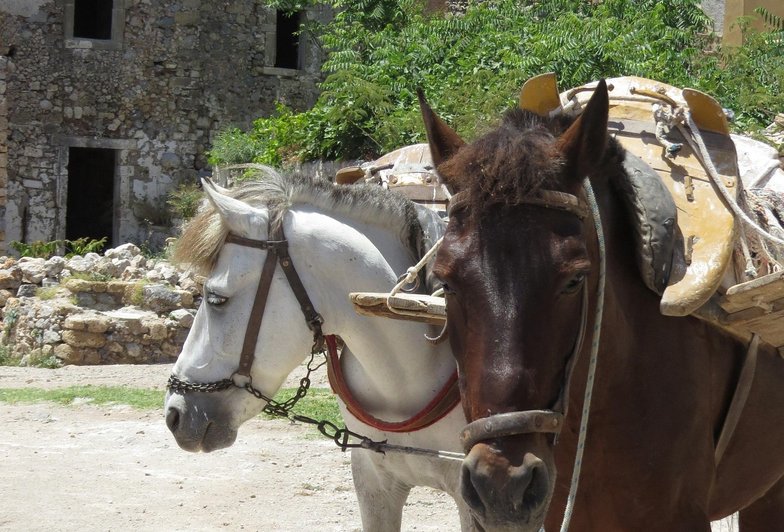
Packhorse trains could consist of twenty or more horses, each carrying a load of around two hundredweight. The horses were led by a driver, often a young boy, who walked the whole way. The routes were chosen for the firmness of the ground and the availability of grazing and water, and they often followed the contours of the land rather than the shortest line between two points.
The inns along the way were more than just places to sleep. They were social hubs, where news and gossip were exchanged, and where deals were done. Many of them had stables and paddocks for the horses, and some had special narrow doors and passages designed to accommodate laden packhorses. A few of these features can still be seen in the older buildings of Heptonstall and the surrounding area.
Walking the Old Ways Today
Several waymarked routes follow the old packhorse trails around Heptonstall and Slack, and they make for excellent walking. The terrain is varied, with steep cobbled sections, open moorland and quiet lanes. Good boots are essential, especially in wet weather, when the stone paths can be slippery. The walks are generally short, between three and six miles, and can easily be combined with a visit to Hebden Bridge.
It is worth taking a guidebook or a map that shows the old routes, as some of them are not obvious on the ground. Look for the characteristic stone setts, the holloways worn deep into the hillside, and the occasional boundary stone or guidepost. These small details bring the history to life and make the walk more than just a stroll.
Ending your walk at one of Heptonstall's two pubs, both of which have served travellers for centuries, is a fitting way to finish. The beer is good, the fires are warm, and the sense of continuity with the past is strong.





Tracing the old packhorse routes around Slack and Heptonstall, where inns once served travellers and their laden beasts.
Practical advice for walking the South Pennines in winter, from kit and navigation to understanding the risks of short days and sudden snow.
Britain's first national trail still delivers bog, beauty and a profound sense of space six decades after it opened.
Before the canals and railways, strings of laden ponies carried cloth, coal and salt across the Pennine watershed.
Pen-y-ghent, Whernside and Ingleborough in a day is a classic challenge — and a serious walk that rewards proper preparation.