


The Limestone Pavements of the Yorkshire Dales: Walking Malham's White Wilderness
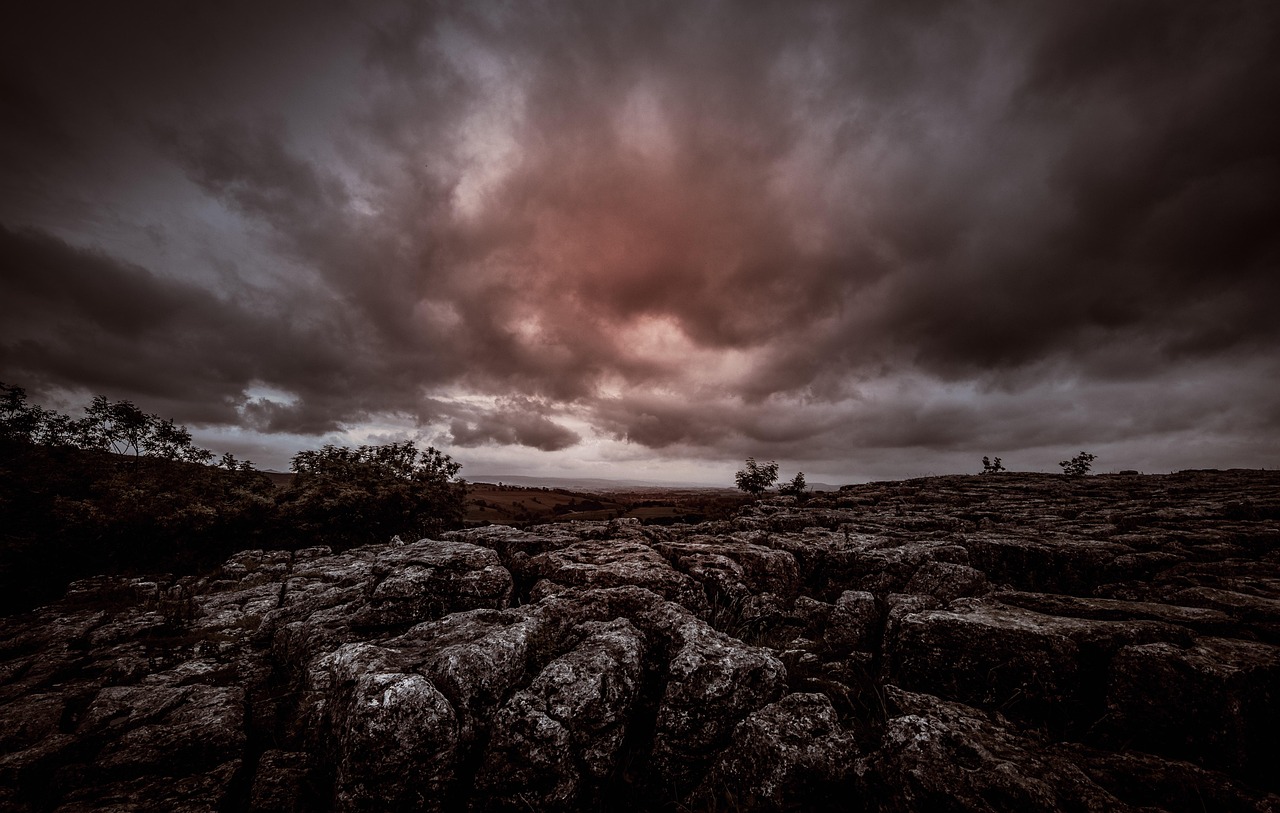
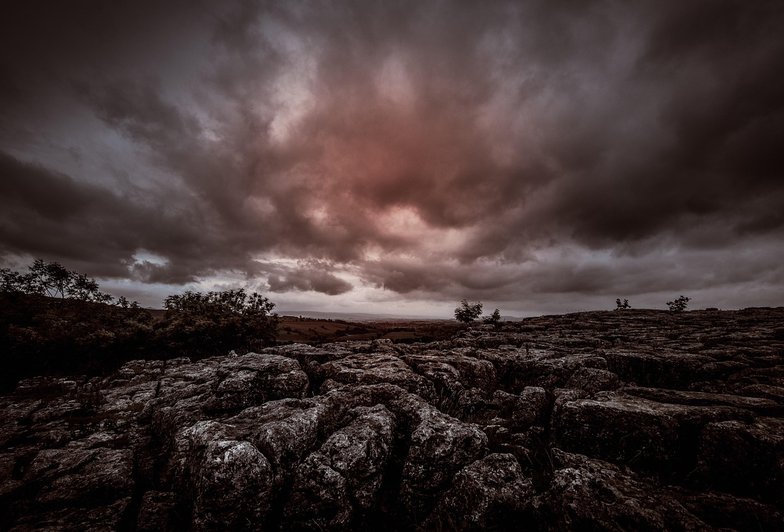
There are few landscapes in the Pennines quite as strange as a limestone pavement. Walking across one feels less like a hike and more like stepping onto the surface of a fractured planet. Malham Cove's pavement, sitting just above the great curved cliff, is the most famous example in the Dales, and it rewards anyone willing to slow down and look at their feet as much as the view.
The walk usually begins in the village of Malham itself, a small settlement that has been welcoming travellers for centuries. From the village, a well-trodden path leads along Malham Beck towards the cove. The approach is gentle enough, but the steps up the side of the cliff are steep, and on a busy summer weekend you will be sharing them with a great many other people. Go early, or go out of season, and you will have the place closer to yourself.
What makes a limestone pavement so distinctive is the way water has dissolved the rock over thousands of years. The flat blocks, known as clints, are separated by deep fissures called grykes. These grykes are their own tiny worlds, sheltering ferns, mosses and flowers that would otherwise be grazed away by sheep. It is worth remembering that the pavement is fragile. Walking on the clints is fine, but trampling the grykes damages plants that may have taken decades to establish.
Reading the Landscape
Once you have climbed onto the pavement, the view back down the valley is superb. Malham Tarn glints in the distance, and on a clear day the bulk of Pen-y-ghent shows itself to the north. But the real interest is underfoot. Look for the fossils embedded in the stone, the remains of creatures that lived in a warm sea long before the Pennines existed. The whole landscape here is a record of deep time, and walking across it is a lesson in patience and scale.
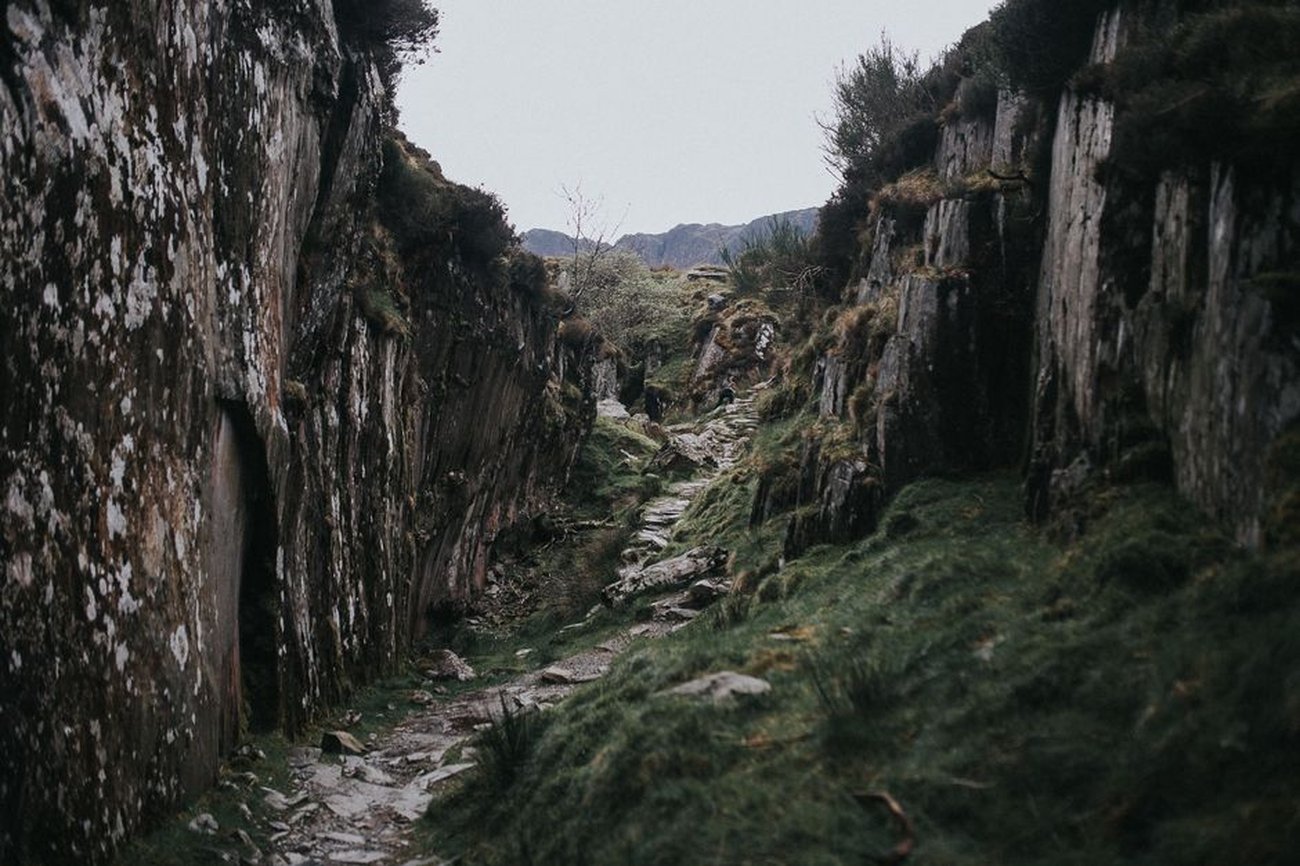
From the pavement, most walkers continue to Gordale Scar, a dramatic ravine cut into the limestone. The path between the two is straightforward but can be muddy after rain, and the stream crossings require a little care. Gordale itself is a place that stops conversation. The waterfall at its head, tumbling over a lip of rock, has carved the gorge over countless years, and standing at the bottom of it you feel the sheer force of water and time.
Practical Notes for Walkers
The circular route from Malham village, taking in the cove, the pavement and Gordale Scar, is roughly eight miles and can comfortably be walked in half a day. Wear boots with good grip, as the limestone can be slippery when wet, and carry water, since there is little shelter on the exposed sections. Dogs should be kept on leads during lambing season and near the pavement, where ground-nesting birds and fragile plants are easily disturbed.
Malham has a couple of pubs and a cafe, both of which fill up quickly. If you want a quieter experience, consider approaching from the neighbouring village of Kirkby Malham, adding a few miles but leaving the crowds behind. The limestone country around Malham is one of the Pennines' great treasures, and walking it slowly, with an eye for the small details, is the best way to appreciate it.


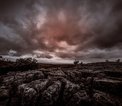
A walker's guide to the cracked and weathered limestone pavements above Malham, where geology and history meet on the clints and grykes.
Exploring the abandoned lead mines, smelt mill chimneys and miners' tracks around Nenthead, one of England's highest villages.
A challenging but rewarding circuit over Cross Fell, the highest point in the Pennines, taking in the Eden Valley and the famous Helm Wind.
Tracing the old packhorse routes around Slack and Heptonstall, where inns once served travellers and their laden beasts.
Practical advice for walking the South Pennines in winter, from kit and navigation to understanding the risks of short days and sudden snow.